

 13
Aug
13
Aug

Ophthalmology 101: Protecting Your Family's Vision
Your family’s vision is one of its most valuable assets. From children discovering the world for the first time to adults managing age-related changes, maintaining healthy eyesight requires regular attention and preventive care. Understanding the basics of ophthalmology can help you recognize potential problems early and protect your loved ones’ eye health.
Why Regular Eye Care Matters
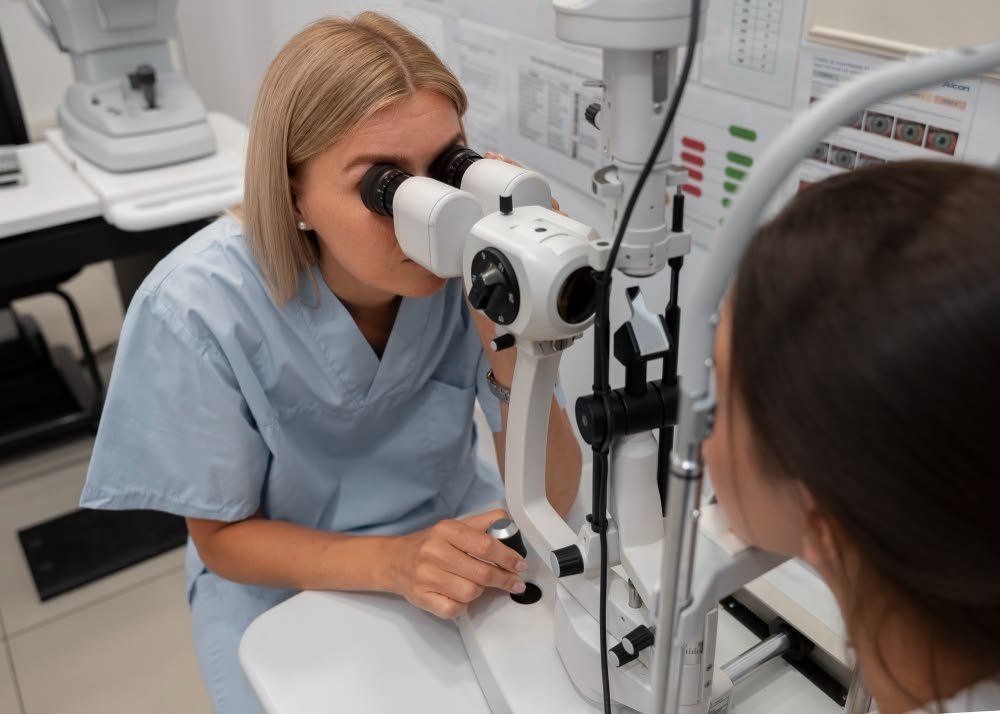
Many eye conditions can develop gradually without obvious symptoms. A person may have changes in their vision or early signs of an eye disease without realizing it. Regular eye examinations allow eye-care professionals to assess vision, examine the health of the eyes, and identify potential concerns before they become more serious.
Children should also receive appropriate vision screening, particularly before starting school and whenever parents notice difficulties with reading, focusing, or seeing objects clearly.
Protecting Children's Eyes
Children spend increasing amounts of time using smartphones, tablets, computers, and other digital devices. Encourage healthy screen habits by taking regular breaks and maintaining an appropriate viewing distance.
Outdoor activity is also beneficial for children's overall eye health. Parents should pay attention to warning signs such as frequent eye rubbing, squinting, sitting very close to screens or televisions, headaches, or difficulty reading.
Protective eyewear is important when children participate in sports or activities that could result in an eye injury.
Eye Health for Adults
For adults, regular eye examinations become increasingly important with age. Conditions such as glaucoma, cataracts, diabetic eye disease, and age-related macular degeneration can affect vision and may require professional monitoring.
People with diabetes, high blood pressure, or a family history of eye disease should discuss an appropriate eye-examination schedule with their healthcare provider.
Simple Habits for Healthier Eyes
A few everyday habits can make a meaningful difference:
 Eat a balanced diet containing vegetables, fruits, and essential nutrients.
- Wear UV-protective sunglasses when outdoors.
- Avoid smoking and exposure to secondhand smoke.
- Follow good hygiene when handling contact lenses.
- Take regular breaks during prolonged screen use.
- Use appropriate protective eyewear during work, sports, or home projects.
- Keep chronic conditions such as diabetes and high blood pressure under control.
- Schedule routine eye examinations according to your age and individual risk factors.
Know the Warning Signs
Certain symptoms should not be ignored. Seek professional eye care if you or a family member experiences sudden vision loss, persistent blurred vision, double vision, severe eye pain, flashes of light, a sudden increase in floaters, significant redness, or other unusual changes in vision.
Sudden changes in eyesight can sometimes indicate an urgent eye condition and require prompt medical evaluation.
Make Eye Care a Family Priority
Protecting your family's vision is not only about correcting eyesight when problems appear. It is about prevention, early detection, healthy habits, and regular professional care.
By making eye examinations part of your family's routine and encouraging healthy daily habits, you can take important steps toward maintaining clear and healthy vision for years to come.